

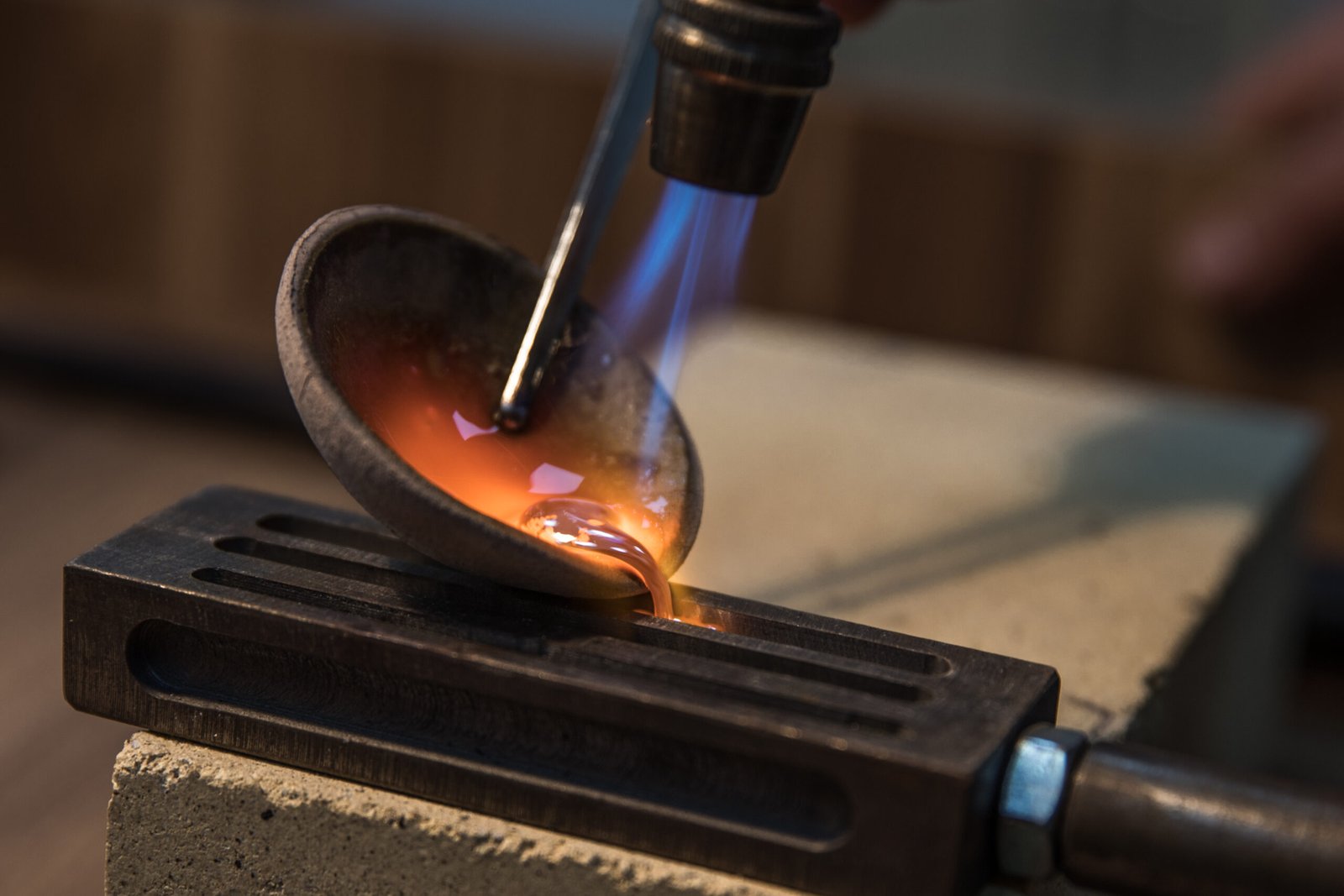
Shell Mould Casting.
Better Finish. Better Accuracy. Shell mould casting bridges the gap between sand casting and investment casting. It is built for medium-sized ferrous components that need better surface finish, better dimensional consistency, and lower cost than lost wax casting in the right geometry and volume.
From Pattern to Finished Shell Casting — 5 Steps
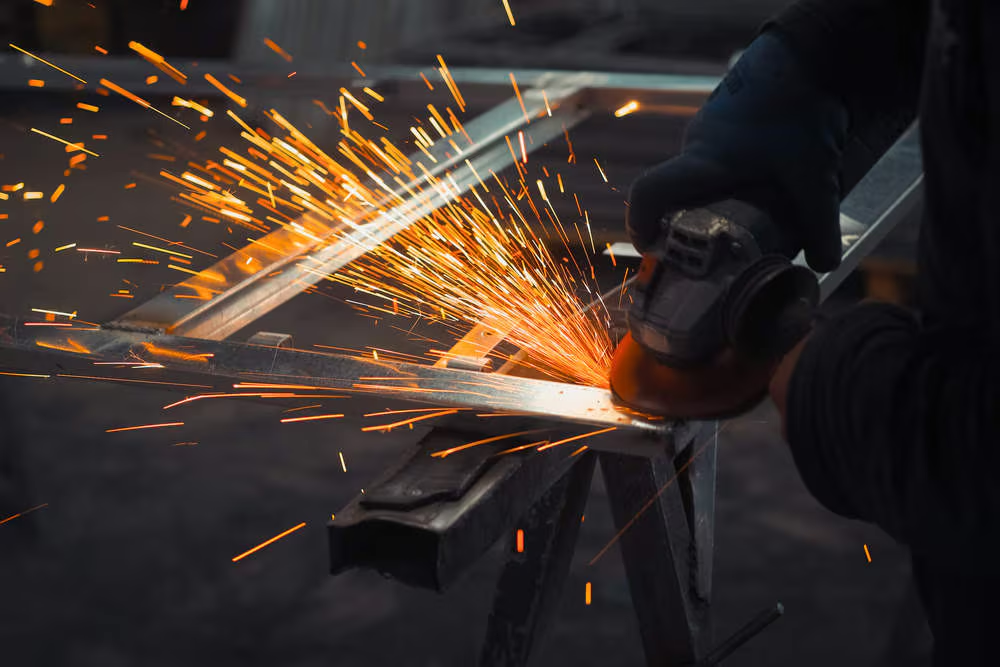
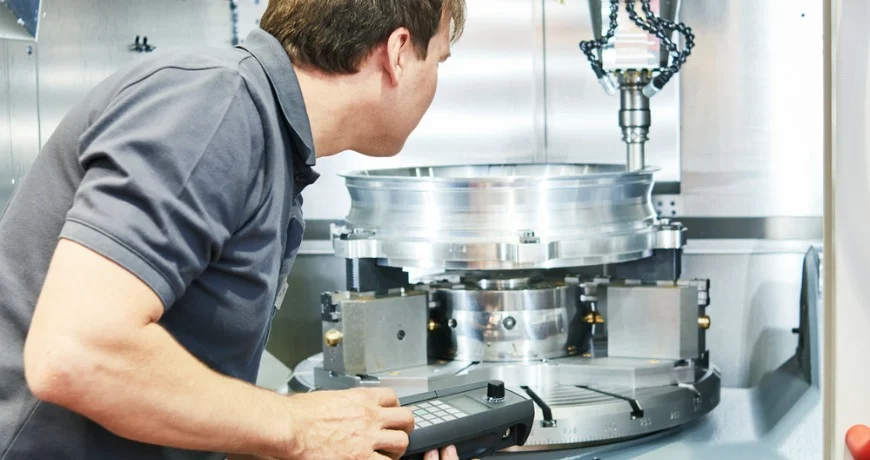
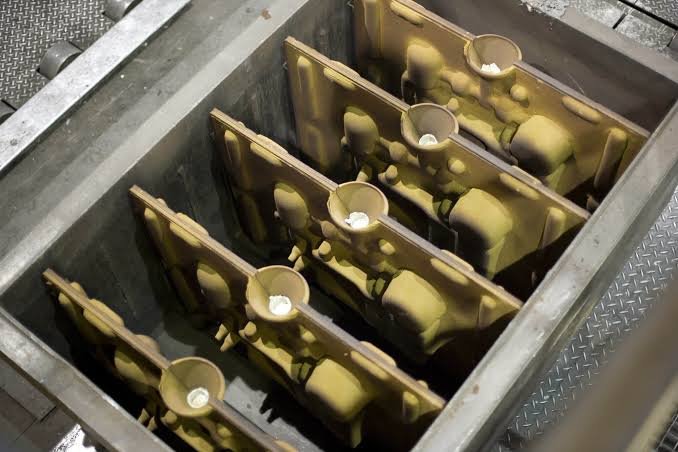
Every shell mould casting follows a controlled route from process review to shell formation, pouring, knockout, cleaning, machining, and inspection before dispatch.
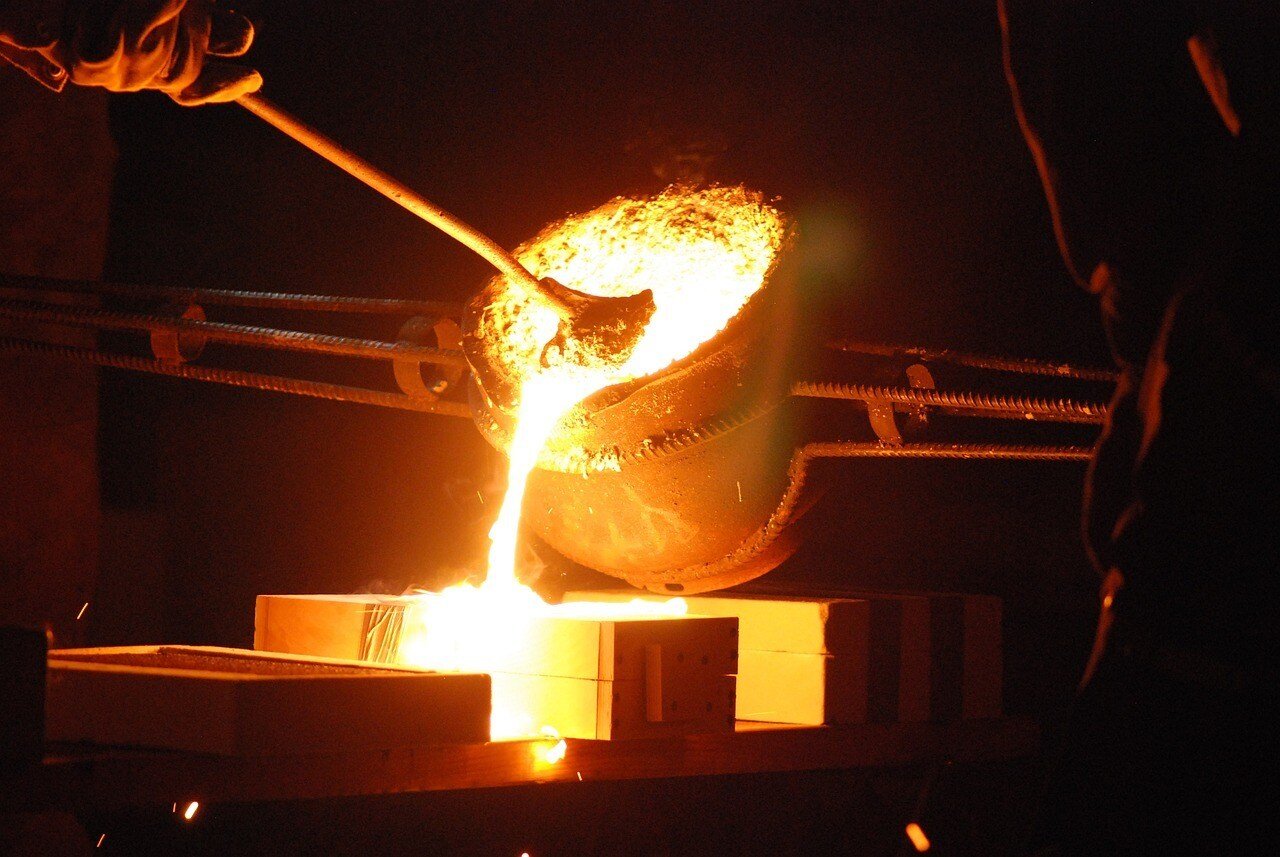
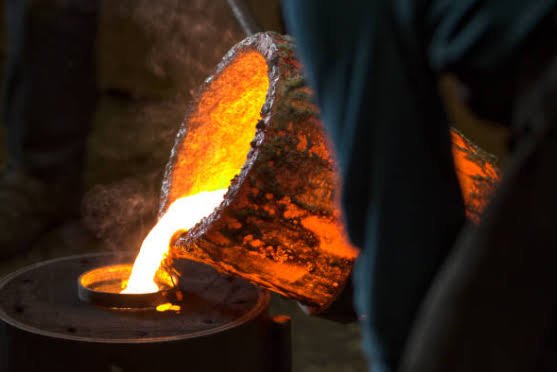
Shell Mould Casting Capability
Shell mould casting offers a cleaner, more repeatable route for suitable ferrous components where sand casting is too rough and investment casting is too costly.
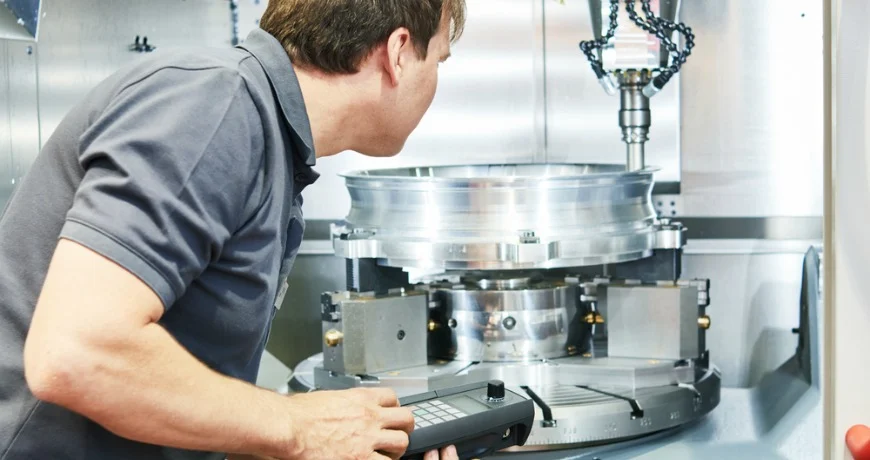
Ferrous Materials for Shell Mould Casting
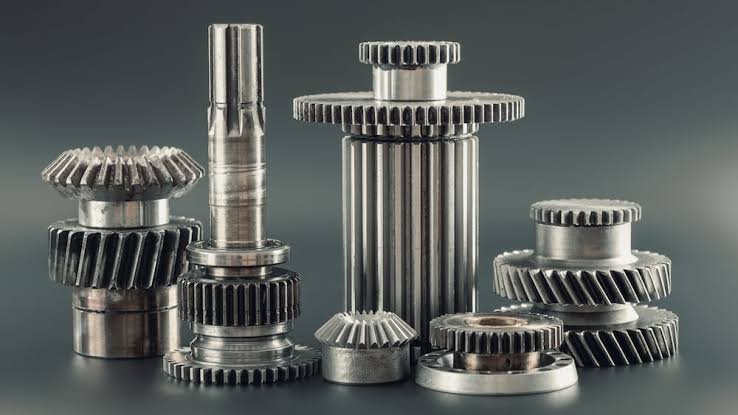
Amsol supports shell mould casting routes for grey iron, SG iron, carbon steel, and alloy steel components where finish, accuracy, machinability, and strength must be balanced.
| Material | Use | Strength |
|---|---|---|
| Grey Iron | Housings, covers, machinery parts | Good machinability and vibration damping. |
| SG Iron | Brackets, levers, load-bearing parts | Higher strength and ductility than grey iron. |
| Carbon Steel | Structural and mechanical shell castings | Strength-focused industrial parts. |
| Alloy Steel | Wear-loaded or strength-critical parts | Improved toughness and heat-treatment response. |
Shell Mould vs Sand Casting vs Investment Casting
Choose shell mould casting when the component needs better finish and dimensional consistency than green sand, without the cost or complexity of investment casting.
| Choose Shell Mould Casting When | Why It Helps | Process Direction |
|---|---|---|
| Better surface finish than green sand is required. | The rigid resin-bonded shell gives a cleaner cavity. | Use for cleaner as-cast surfaces and reduced fettling. |
| Investment casting is too costly. | Shell mould can be a cost-smart alternative for suitable geometry. | Compare geometry, volume, tooling, and machining requirement. |
| Geometry is medium complexity, not extremely intricate. | Shell mould handles repeatable medium-detail ferrous parts. | Use where lost wax-level internal detail is not required. |
| Volume justifies metal pattern tooling. | Tooling improves repeatability across batches. | Best for medium-volume production. |
| Dimensional consistency matters across batches. | The rigid shell helps maintain cavity stability. | Support with CNC finishing and dimensional inspection. |
The Shell Mould Casting Route — From Pattern to Finished Component
Replace placeholders with Amsol facility photography. Use shell pattern heating, shell formation, pouring, knockout, machining, and inspection images.
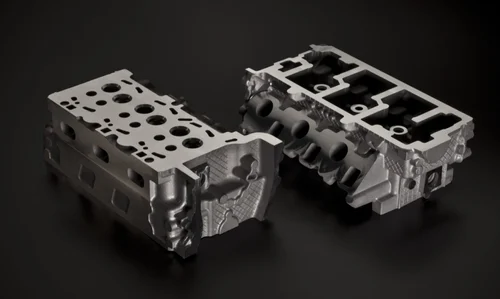
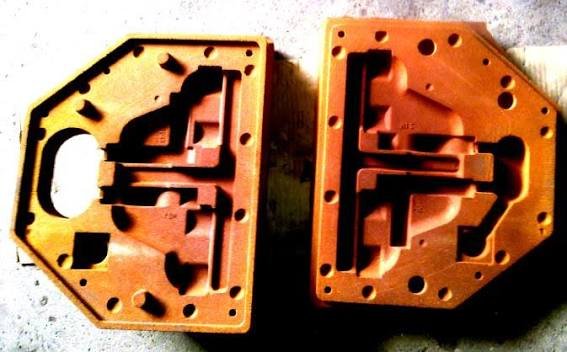
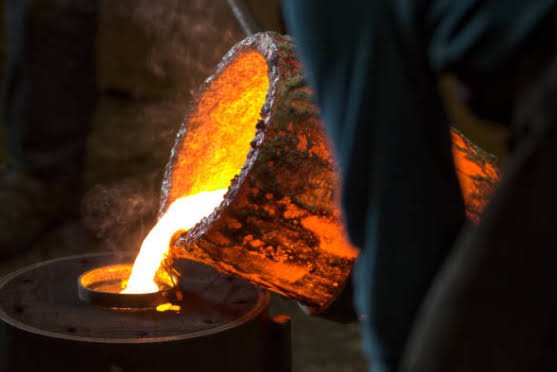
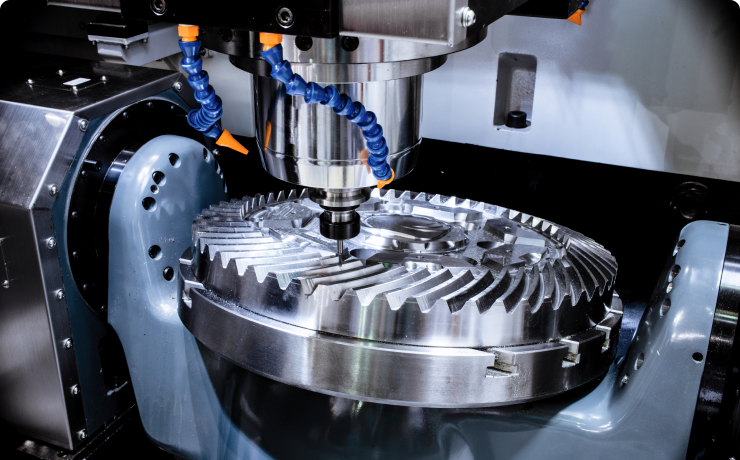
Where Amsol Shell Mould Castings Go
Shell mould castings support ferrous components where cleaner surfaces, medium complexity, better batch consistency, CNC interfaces, and cost-smart production matter.
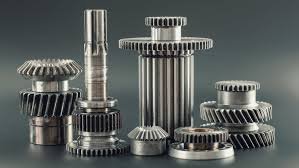

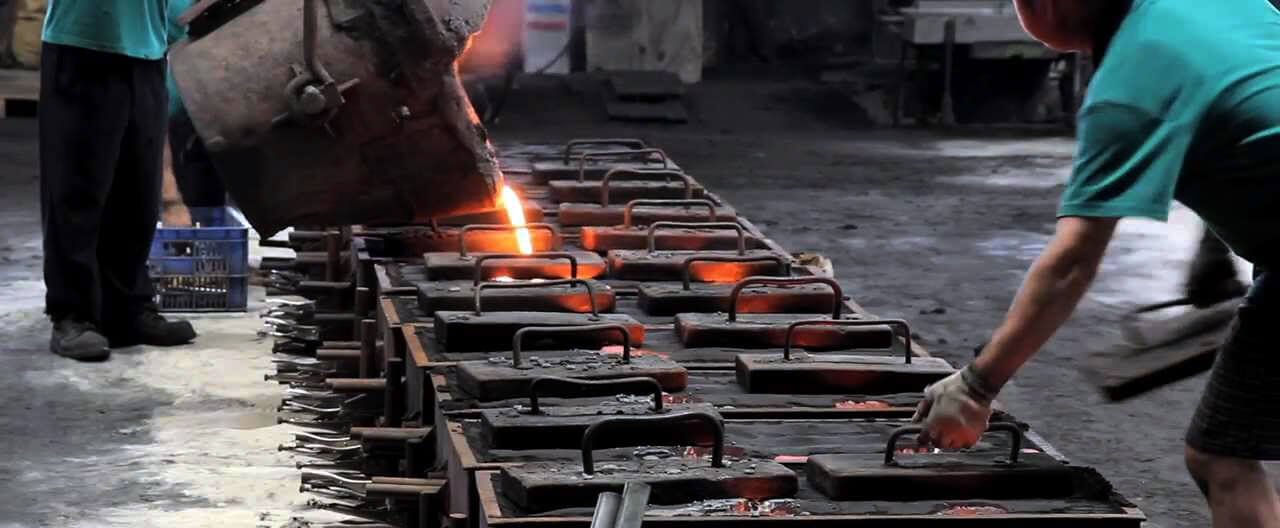
Shell Mould Casting Quality Verified Through Pattern Control, Sand Control, Testing, Machining, and Inspection.
Shell mould quality depends on accurate pattern control, resin sand consistency, controlled machining, hardness verification, dimensional inspection, and documentation support.
Have a Shell Mould Casting Drawing?
Share It.
Amsol reviews your part to confirm whether shell mould casting can reduce cost while maintaining the accuracy, finish, and strength your component needs.